For decades, metal yards have relied on hydraulic balers to process used beverage cans (UBC). Pressing loose cans into heavy square cubes solves immediate trucking problems, but it leaves money on the table. Today, aluminum smelters and foundries demand cleaner feedstocks and frequently dock pay for baled loads due to high melting losses, hidden iron, and moisture.
Upgrading your yard with an aluminum can shredder transforms empty cans from a basic compacted waste into a clean, premium scrap product that foundries pay more to buy.
The Hidden Losses of Baled Cans
While baling reduces volume, it creates processing issues that lower your scrap price at the scale:
- Melt Loss and Dross: Aluminum cans are made of very thin sheet. Inside a tight bale, the metal heats unevenly during melting. The outside burns into unusable dross (ash) before the inside melts, dropping your usable metal recovery down to 86–88%.
- Trapped Water and Residue: Bales act like sponges. Trapped rainwater and leftover soda cannot escape. Smelters penalize wet scrap because feeding water into molten metal causes dangerous steam explosions inside the furnace.
- Hidden Iron Contamination: Food cans, bolts, or tools mixed into loose scrap get crushed deep inside the bale. Smelters reject loads with high iron content because it ruins the chemistry of aluminum alloys.
How an Aluminum Can Shredder Improves Scrap Quality
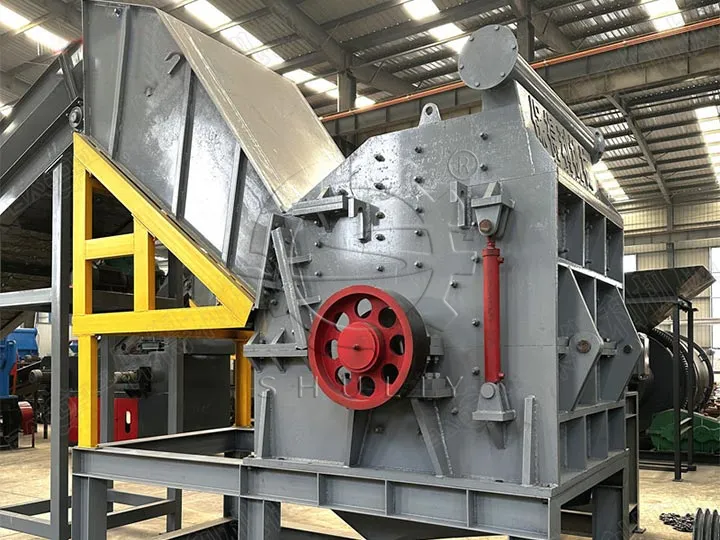
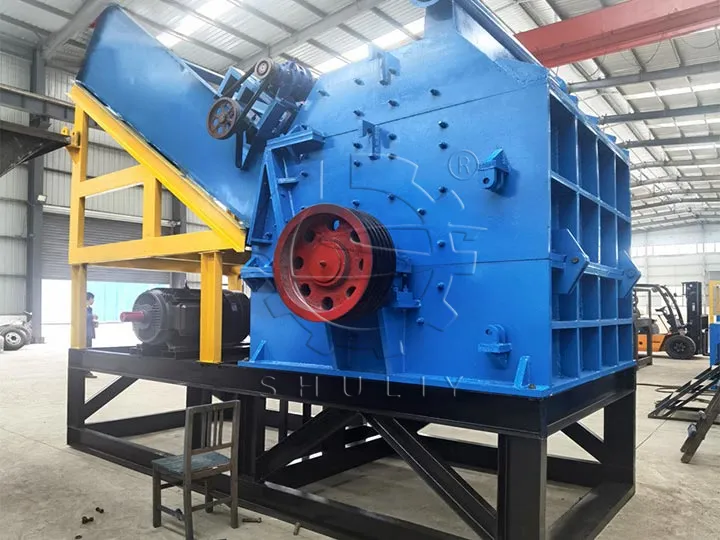
Instead of squeezing cans flat, an aluminum can shredder uses spinning hammers to tear, crush, and roll the cans into small, dense shapes roughly the size of a coin or golf ball (30 mm to 80 mm).
1. Mechanical Paint Stripping
As the cans bounce inside the cutting chamber, the friction flexes the thin aluminum back and forth. This action cracks and flakes off the brittle exterior ink and internal food-grade liners. The shredded paint turns into fine dust that an air exhaust system pulls away before the metal enters a furnace, resulting in far cleaner melt charges.
2. High-Density “Popcorn” Chips
Thin aluminum sheets burn away if they sit on top of molten liquid. By processing scrap through our industrial metal shredder , cans are kneaded into heavy, curled chips. When dropped into an industrial furnace, these heavy pieces sink beneath the liquid surface immediately, reducing burn-off and pushing recovered metal yields above 93–95%.
Simple Inline Cleaning: Eliminating Downstream Rejections
Shredding turns clumsy cans into a smooth, free-flowing stream of small chips. This makes automatic material sorting possible right on your discharge conveyor:
- Magnetic Iron Separation: A cross-belt magnet sits over the conveyor, pulling out stray tin-steel food cans, screws, and tramp metal.
- Dust and Flake Extraction: A cyclone air system pulls away loose paint flakes, paper labels, and dirt, preventing furnace emissions.
- Consistent Sizing: A bottom grate controls particle size, ensuring every piece flows smoothly into containers and furnace charge wells.
Operating Comparison: Baling vs. Shredding
| Processing Metric | Baled UBCs | Shredded & Sized UBCs | Yard Benefit |
|---|---|---|---|
| Furnace Melt Yield | 86% – 88% | 93% – 96% | Eliminates smelter weight deductions. |
| Shipping Density | 350 – 450 kg/m³ | 450 – 600 kg/m³ | Fills sea containers and trailers without dead space. |
| Iron Separation | Impossible without sorting first | 100% automated with inline magnets | Prevents rejected loads from alloy contamination. |
| Melting Speed | Slow (bale acts as a heat shield) | Up to 25% faster heat transfer | Lowers smelter fuel bills and speeds production. |
Continuing to bale cans leaves your yard vulnerable to moisture deductions and low pricing. Integrating an aluminum can shredder allows recyclers to strip coatings, pull out unwanted steel, and deliver the clean, high-density chips that modern smelters actively seek.